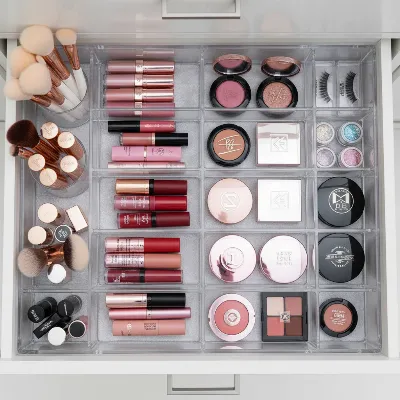
Transforming a cramped bedroom into a serene and functional beauty haven can feel like an impossible task. Traditional vanity tables often consume precious floor space, leaving rooms feeling cluttered and small. However, the rise of the floating vanity table offers an ingenious solution, seamlessly blending modern aesthetics with unparalleled space-saving functionality. This guide will navigate you through the world of floating vanity tables, helping you discover the perfect piece to elevate your bedroom in 2026.
What is a Floating Vanity Table?
A floating vanity table is a wall-mounted unit that, unlike its freestanding counterparts, does not touch the floor. This design creates an illusion of expanded floor space, making even the smallest bedrooms feel more open and airy. By securely attaching directly to the wall, floating vanities remove the bulky footprint of traditional tables, offering a clean, minimalist aesthetic.
Historically, dressing tables have evolved from ornate, freestanding furniture pieces in grand boudoirs to more compact, functional units in modern homes. The floating vanity represents a significant leap in this evolution, perfectly aligning with contemporary interior design trends that prioritize efficiency and uncluttered living. They are a testament to smart design, offering dedicated space for beauty routines without sacrificing valuable room.
Today, floating vanity tables come in various forms, from simple shelves with an integrated mirror to more complex units featuring multiple drawers and specialized compartments. Some designs integrate lighting directly into the mirror or under the table, enhancing functionality and mood. The core idea remains consistent: a sleek, elevated surface that serves your beauty needs while maximizing the visual and physical space within your bedroom.
Key Factors When Choosing a Floating Vanity Table
Selecting the right floating vanity table involves more than just picking a pretty design. It requires thoughtful consideration of several practical elements to ensure it perfectly integrates with your space and lifestyle.
Size and Space
|
Our Picks for the Best Vanity Table in 2026
As an Amazon Associate I earn from qualifying purchases.
|
||
| Num | Product | Action |
|---|---|---|
| 1 | Kitsure Vanity Desk with Mirror and Lights - Large Capacity Makeup Vanity with 4 Fabric Storage Drawers & 3 Lighting Modes, Vanity Table Set with Sturdy Metal Frame for Bedroom, White, 35" x 17" x 52" |

|
| 2 | SUPERJARE 35.4" White and Gold Desk with 2 Drawers, Modern Makeup Vanity with Padded Stool, Small Computer Desk Home Office Desk for Writing Study Bedroom |
|
| 3 | BOLUO Small Vanity Desk with Hollywood Mirror and Lights, Girls Vanity with Stool, Fluted Vanity Set, Compact Make Up Table with Drawers and Outlet Bedroom |
|
| 4 | 43" Fluted Makeup Vanity Desk with 32" Mirror and Lights, Modern Glass Top Large Vanity Table with 5 Drawers and 3 Storage Shelves, Dressing Table Set with Charging Station for Bedroom-Gray |
|
| 5 | 47.24" Big Modern Vanity Desk with Mirror and Lights,Makeup Vanity Desk with 5 Drawers and Storage Shelves & Power Outlet,Dressing Table with Glass Top, Oak |
|
| 6 | Black,Vanity Desk with Mirror and Lights,Makeup Vanity with Power Outlet and Adjustable Cabinet,Modern Makeup Table with 3 Drawers for Bedroom Makeup Room |
|
| 7 | 57“Makeup Vanity Desk with Mirror and Lights, Vanity Desk with 5 Drawers & Storage Shelves, Vanity Table with Power Outlet, 3 Color Modes & Adjustable Brightness Dressing Table, Bedroom,Oak |
|
| 8 | Large Vanity Desk with 3 Color Touch Screen Dimming Mirror, Vanity Desk with Charging Station, Modern Retractable Makeup Dressing Table, Makeup Table With storage shelves and 5 Sliding Drawers, Black |
|
| 9 | Vanity Desk with 29.53" HD Lighted Mirror, 47.24" Big Modern Vanity Desk with Mirror and Lights, Makeup Vanity with 5 Drawers and Storage Shelves and Charging Station, Oak2 |
|
| 10 | Large Vanity Desk with 3 Color Touch Screen Dimming Mirror, Vanity Desk with Charging Station, Modern Retractable Makeup Dressing Table, Makeup Table With storage shelves and 5 Sliding Drawers, Walnut |
|
Before falling in love with a particular design, meticulously measure the available wall space in your bedroom. Consider both the width and height the vanity will occupy, as well as the clearance needed for drawers to open freely and for you to sit comfortably. Remember that while floating vanities save floor space, their depth can still impact room flow. Ensure there’s adequate room to move around without bumping into the unit. The height at which you mount the vanity is also crucial for ergonomic comfort; a customizable height allows for a personalized setup, whether you prefer to sit or stand.
Materials
The material of your floating vanity table dictates not only its appearance but also its durability and maintenance.
- Natural Wood: Options like oak, walnut, or maple offer warmth, classic appeal, and robust construction. They are durable but may require more care against moisture and temperature fluctuations.
- Engineered Wood (MDF, MFC): These materials, often finished with veneers or laminates, provide a cost-effective alternative to solid wood. They come in a wide range of colors and textures, offering good moisture resistance, but might not be as durable as natural wood over time.
- Glass and Metal: For a modern or industrial aesthetic, vanities incorporating glass tops or metal frames add a sleek, light feel. Glass surfaces are easy to clean but prone to fingerprints and scratches, while metal offers strength and a contemporary edge.
- Mirrored Finishes: These add a touch of glamour and can visually expand the room further by reflecting light, though they require frequent cleaning to maintain their shine.
Choose a material that complements your existing bedroom decor and meets your expectations for longevity and upkeep.
Design Style
Floating vanity tables are incredibly versatile, fitting into diverse interior design schemes.
- Modern/Minimalist: Characterized by clean lines, handleless drawers, and neutral palettes (whites, grays, light woods), these designs create a serene, uncluttered look.
- Scandinavian: Emphasizes light-colored wood, simple forms, and functionality, often with a cozy, inviting feel.
- Industrial: Incorporates raw materials like metal and distressed wood, with a rugged yet sophisticated appeal.
- Vintage/Retro: May feature curved edges, unique patterns, or specific wood tones reminiscent of past eras.
- Boho-Chic: Often uses natural materials like rattan or woven textures, bringing an earthy, relaxed vibe.
Align the vanity’s style with your bedroom’s overall aesthetic to create a cohesive and harmonious space.
Storage Solutions
Despite their compact nature, many floating vanities offer clever storage solutions. Consider your beauty routine and the number of items you need to store.
- Drawers: Look for shallow drawers for cosmetics and brushes, and deeper ones for larger items like hair tools. Soft-close drawers are a luxurious and practical feature.
- Hidden Compartments: Some designs cleverly conceal storage behind mirrors or within the unit, perfect for keeping clutter out of sight.
- Vertical Organizers/Shelves: These maximize vertical space, ideal for perfumes or frequently used products.
- Integrated Solutions: Vanities with built-in dividers or removable trays help keep small items organized.
Prioritize designs that balance a sleek profile with sufficient, well-organized storage to avoid visual clutter.
Budget
Floating vanity tables vary widely in price based on material, size, brand, and features. Determine your maximum budget upfront. While there are affordable options, investing in a higher-quality piece can ensure greater durability and a more refined finish. Remember to factor in potential installation costs if you plan to hire a professional, especially for more complex designs or if wall reinforcement is needed.
Comparing Popular Floating Vanity Table Options
When considering a floating vanity, understanding the different configurations can help you find the ideal match for your bedroom. Here’s a conceptual comparison of common types:
| Category | Typical Size Range | Common Materials | Style Highlights | Pros | Cons |
|---|---|---|---|---|---|
| Minimalist Shelf | Compact (24-36″) | Engineered wood, Laminate, Glass | Clean lines, ultra-sleek, unobtrusive | Maximizes visual space, very discreet | Minimal to no built-in storage |
| Drawer-Focused | Medium (30-48″) | Wood (natural/engineered), Metal | Modern, functional, efficient | Excellent for organized storage, keeps clutter hidden | Can appear slightly heavier than shelf-only designs |
| Integrated Mirror | Medium-Large (36-60″) | Wood, Mirrored finishes, LED lighting | Contemporary, complete beauty station, streamlined | All-in-one solution, often includes lighting | Fixed mirror size/placement, can be pricier |
| Multi-Functional | Varied | Wood, Glass, Metal | Innovative, adaptable, space-saving | Doubles as a desk or console, highly versatile | May compromise dedicated vanity features |
This comparison highlights how different floating vanity designs cater to distinct needs, whether your priority is maximizing visual openness, concealing items, or creating a comprehensive beauty hub.
 Modern minimalist floating vanity table in a sleek bedroom with white walls
Floating Vanity Table Buying Guide
Acquiring the perfect floating vanity table involves more than just online browsing; it requires a strategic approach to ensure quality, fit, and satisfaction.
Reputable Brands and Retailers
When seeking a floating vanity, gravitate towards brands known for their craftsmanship and customer satisfaction. While specific brand availability can vary by region and over time, look for qualities such as:
- High-Quality Materials: Brands that specify the type of wood, finish, and hardware used.
- Positive Reviews: Check customer feedback regarding product durability, ease of assembly (if applicable), and overall aesthetic.
- Clear Warranty/Return Policies: A confident brand stands behind its products.
- Specialization: Some brands may specialize in modern, minimalist, or custom furniture, offering more tailored options.
Popular retailers for vanity tables include large home goods stores, specialized furniture boutiques, and online marketplaces. Brands like HOMARY TECHNOLOGY INC., Pottery Barn Teen, and various offerings found on Houzz or Cosmopolitan are often cited for their stylish and functional options. Always cross-reference options across several platforms to compare prices and ensure you’re getting the best value.
Where to Buy
- Online Marketplaces: Websites like Amazon, Wayfair, or Houzz offer vast selections from numerous brands, often with detailed descriptions and customer reviews. This provides convenience and variety.
- Furniture Stores: Visiting physical stores allows you to see and feel the materials, assess the size in person, and visualize how it might fit into your space.
- Specialty Interior Design Stores: These often carry unique, high-end, or custom-made floating vanities, though they may come at a higher price point.
- Direct from Manufacturers: Some brands offer direct-to-consumer sales through their websites, potentially offering better pricing or exclusive designs.
Pre-Purchase Checklist
Before finalizing your purchase, consider these essential checks:
- Inspect Materials and Finish: Ensure the materials match the description and the finish is smooth, consistent, and free from imperfections.
- Check Drawer Mechanisms: Smooth-gliding drawers with sturdy hardware indicate good quality. Look for soft-close features for added luxury.
- Evaluate Mirror Quality (if included): A clear, distortion-free mirror is crucial for any vanity. If it has integrated lighting, check its brightness and color temperature options.
- Assess Stability: While wall-mounted, a well-constructed floating vanity should feel robust and not flimsy. Inquire about the mounting hardware included and recommended installation methods.
- Confirm Wall Compatibility: Ensure your bedroom walls can support the vanity’s weight. Solid wood studs are ideal, and some installations may require additional blocking.
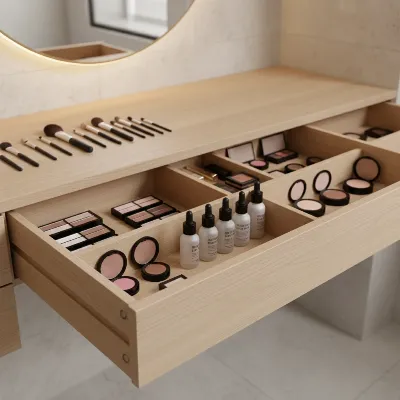 Close-up of a floating vanity with organized drawers for beauty products
Installation and Maintenance Tips for Floating Vanity Tables
Proper installation and consistent care are vital to ensure your floating vanity table remains a beautiful and functional part of your bedroom for years to come.
Installation Essentials
Installing a floating vanity is more complex than assembling a freestanding table, as it requires secure wall mounting to bear its weight.
- Wall Type and Structural Support: This is paramount. Floating vanities must be anchored into wall studs, not just drywall. If studs aren’t ideally placed, internal blocking (horizontal wood supports) may need to be installed within the wall, which often requires opening up the wall.
- Professional Installation Recommended: Due to the structural requirements and the need for precision, hiring a professional handyman or contractor is highly advisable to ensure a safe and stable installation.
- Plumbing Considerations: While typically for bathrooms, if your “vanity table” involves a sink (less common for bedroom-specific floating vanities), all plumbing lines (water supply and drain) must be wall-mounted, not floor-mounted.
- Proper Height Selection: The standard height for a vanity countertop is often between 28 to 36 inches from the floor, but floating vanities offer the flexibility to customize this to your ergonomic preference. Measure your comfortable sitting or standing height in relation to the tabletop and any mirror.
- Leveling and Measurements: Accurate measurements and using a level are crucial to ensure the vanity is perfectly horizontal and aligned, preventing an uneven look or potential instability.
Usage and Care
Once installed, a floating vanity is relatively low-maintenance, but a few practices will keep it pristine.
- Regular Cleaning: Wipe down the surface regularly with a damp, soft cloth to remove dust and makeup residue. Avoid abrasive cleaners or harsh chemicals that can damage the finish.
- Organize Cosmetics: Keep your beauty products neatly arranged in drawers or on trays to prevent clutter and maintain the minimalist aesthetic. Consider using drawer organizers or small containers.
- Protect from Elements: Avoid placing the vanity in direct sunlight for prolonged periods, which can fade wood finishes. Protect it from high humidity, especially if made of wood, to prevent warping or swelling.
- Address Spills Immediately: Promptly wipe up any spills, especially liquids, to prevent staining or damage to the surface.
- Check for Loose Fasteners: Periodically inspect the wall mounts and any visible fasteners to ensure they remain tight and secure.
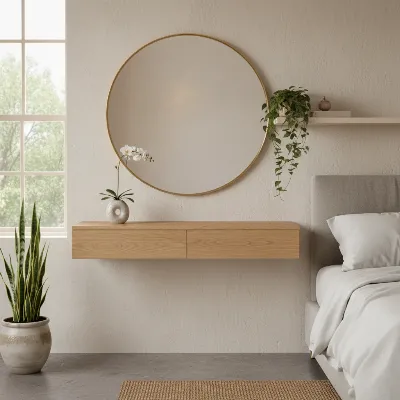 Light wood floating vanity in a sunny bedroom with a large round mirror
Conclusion
Floating vanity tables are more than just a trend; they are a smart, stylish solution for maximizing space in any bedroom, particularly those with limited square footage. By elevating your beauty station off the floor, you create an open, airy ambiance that promotes a sense of calm and order. From sleek minimalist designs to options rich with clever storage, there’s a floating vanity to suit every style and need. By considering size, material, design, storage, and budget, and ensuring proper installation, you can transform your bedroom into an organized, beautiful, and highly functional retreat. Embrace the elegance and efficiency of a floating Vanity Table, and experience how truly special your getting-ready space can become.
Ready to reclaim your bedroom’s potential? Which floating vanity design best reflects your personal style and space-saving needs?
Frequently Asked Questions
Are floating vanities durable?
Yes, when properly installed into wall studs with appropriate hardware, floating vanities are very durable. Their stability depends heavily on the quality of installation and the strength of the wall anchorage.
Can I install a floating vanity myself?
While possible for experienced DIYers, professional installation is strongly recommended due to the precise measurements, structural reinforcement, and potential plumbing considerations required for secure mounting.
What is the ideal height for a floating vanity?
The ideal height is largely a matter of personal preference, often ranging from 28 to 36 inches from the floor to the top of the countertop. Customizing the height ensures ergonomic comfort for your specific needs.
Do floating vanities offer enough storage?
While they may offer less overall cubic storage than traditional floor-standing vanities, many floating designs incorporate intelligent storage solutions like deep drawers, hidden compartments, and vertical organizers to maximize available space efficiently.
Are floating vanities only for bathrooms?
No, floating vanities are increasingly popular in bedrooms as dedicated dressing tables. The term “vanity” can apply to both bathroom and bedroom settings, with bedroom vanities typically focusing on makeup and hair care rather than a sink.